Portion Normalisation Through Repetition
How repeated exposure shapes perceived standard serving sizes.
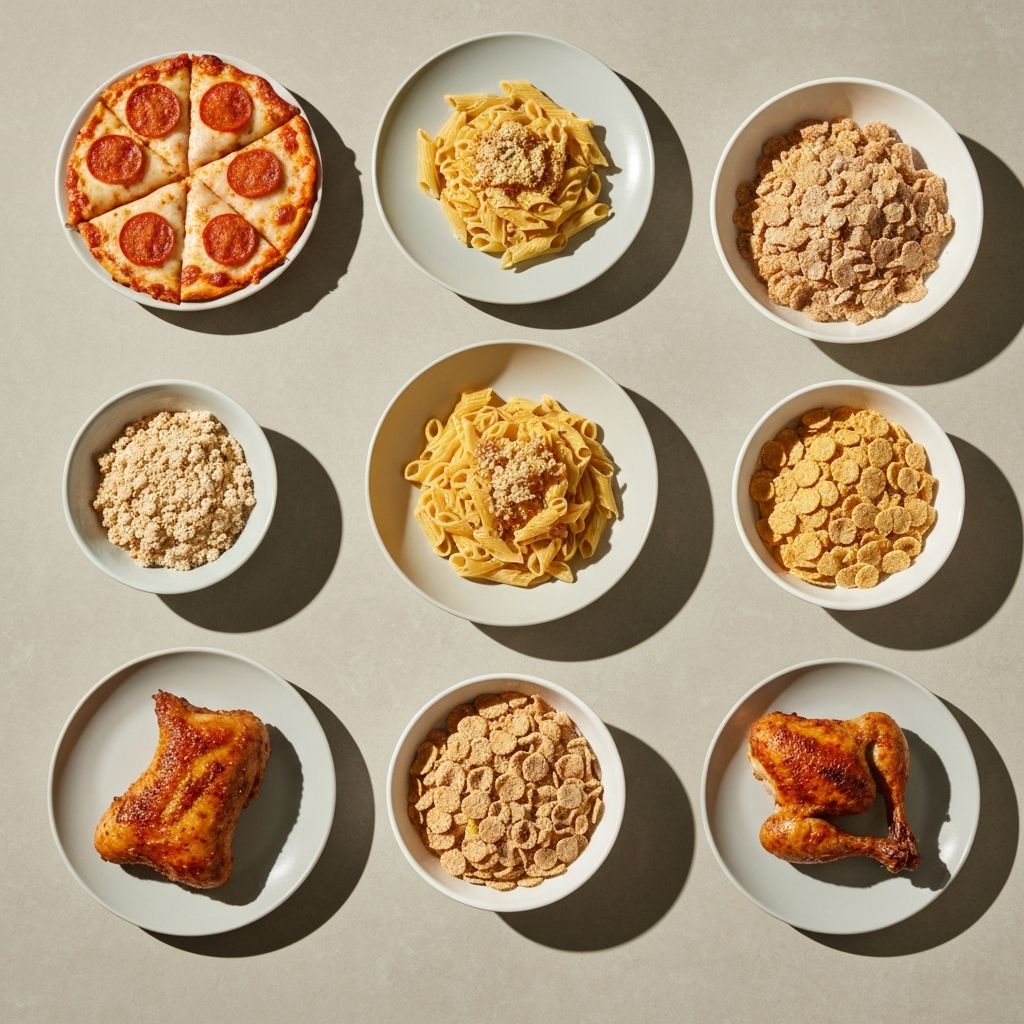
Portion Normalisation Through Repetition
Introduction
One of the more subtle yet influential factors shaping eating patterns is the normalisation of portion sizes. Through repeated exposure and habituation, individuals develop internalised expectations of what constitutes a "standard" or "normal" serving. This normalisation process occurs largely outside conscious awareness and significantly influences consumption.
The Normalisation Process
How It Develops
Portion normalisation occurs through repeated exposure to consistent serving sizes. When individuals repeatedly consume similar quantities of a food in similar contexts, that quantity becomes the psychological baseline—the amount that "feels right." Key mechanisms include:
- Habituation: Exposure to the same stimulus reduces the subjective intensity of that stimulus over time
- Reference Point Formation: Repeated exposures establish a mental "anchor" for what constitutes a normal portion
- Contextual Association: Portion size becomes linked to specific contexts, making similar sizes feel natural in those settings
Critical Periods
Research suggests that childhood and adolescence are critical periods for establishing portion normalisation. The portion sizes experienced during development often form the baseline against which later portions are judged. This partly explains why individuals from different geographical or cultural backgrounds often have substantially different perceptions of "normal" serving sizes.
Research Findings on Portion Size
The Portion Size Effect
Numerous studies demonstrate the "portion size effect": increased serving sizes lead to increased consumption, even when portion sizes are objectively larger than would typically be consumed. Importantly, participants often report not noticing the increase, suggesting that normalisation operates below conscious awareness.
Adaptation to New Portions
When individuals are exposed to different portion sizes for a sustained period, their internal reference point shifts. What initially feels "too large" or "too small" gradually becomes perceived as normal. This adaptation typically occurs over days to weeks of consistent exposure.
Environmental Variation
Portion size norms vary by context:
- Restaurants typically serve larger portions than home-cooked meals
- Fast-food establishments have different portion conventions than fine dining
- Packaged foods often come in single-serving sizes that may not reflect household norms
- Cultural contexts influence typical portion sizes for various foods
Individuals navigating multiple contexts develop different normalised portions for different environments, adding complexity to overall consumption patterns.
Implications for Energy Intake
Cumulative Effect
While individual meals may contain only modest excess energy, the cumulative effect of consuming "normalised" but systematically larger portions across months and years can substantially affect total energy intake. A 10–15% increase in typical portions across multiple meals and snacks can meaningfully affect energy balance.
Difficulty in Recognition
Because normalised portion sizes feel subjectively "right," individuals may not consciously recognise that their typical portions have increased. This makes portion-related increases in consumption difficult to identify without external reference points or detailed observation.
Individual Variation
Importantly, individuals vary in their susceptibility to portion normalisation. Factors influencing susceptibility include:
- Age and developmental stage
- Interoceptive awareness (sensitivity to internal satiety cues)
- Individual differences in habituation rates
- Cognitive engagement with eating (mindful versus automatic consumption)
- Physiological factors affecting appetite regulation
Contextual Considerations
Portion normalisation is context-dependent. Research indicates that individuals maintain different normalised portions for:
- Meals consumed at home versus restaurants
- Meals consumed alone versus in social settings
- Meals consumed during work versus leisure time
- Different food types and meal compositions
This contextual specificity means that changes in eating environments (such as changing jobs or moving) can trigger shifts in normalised portions.
Closing Thoughts
Portion normalisation represents a subtle but significant influence on consumption patterns. Through repeated exposure, individuals internalise portion sizes that feel subjectively appropriate. Shifts in these normalised portions occur gradually and often outside conscious awareness. Understanding this mechanism highlights why environmental and contextual factors—not just conscious choice or willpower—substantially influence eating patterns.